
Neuromonitoring in surgical proctology
Neuromonitoring in surgical proctology
 Proctology
Surgical proctology or coloproctology deals with the surgical treatment of diseases and malformations of the colon, rectum and anus as well as injuries in this area. Surgical proctology is usually assigned to general and visceral surgery.
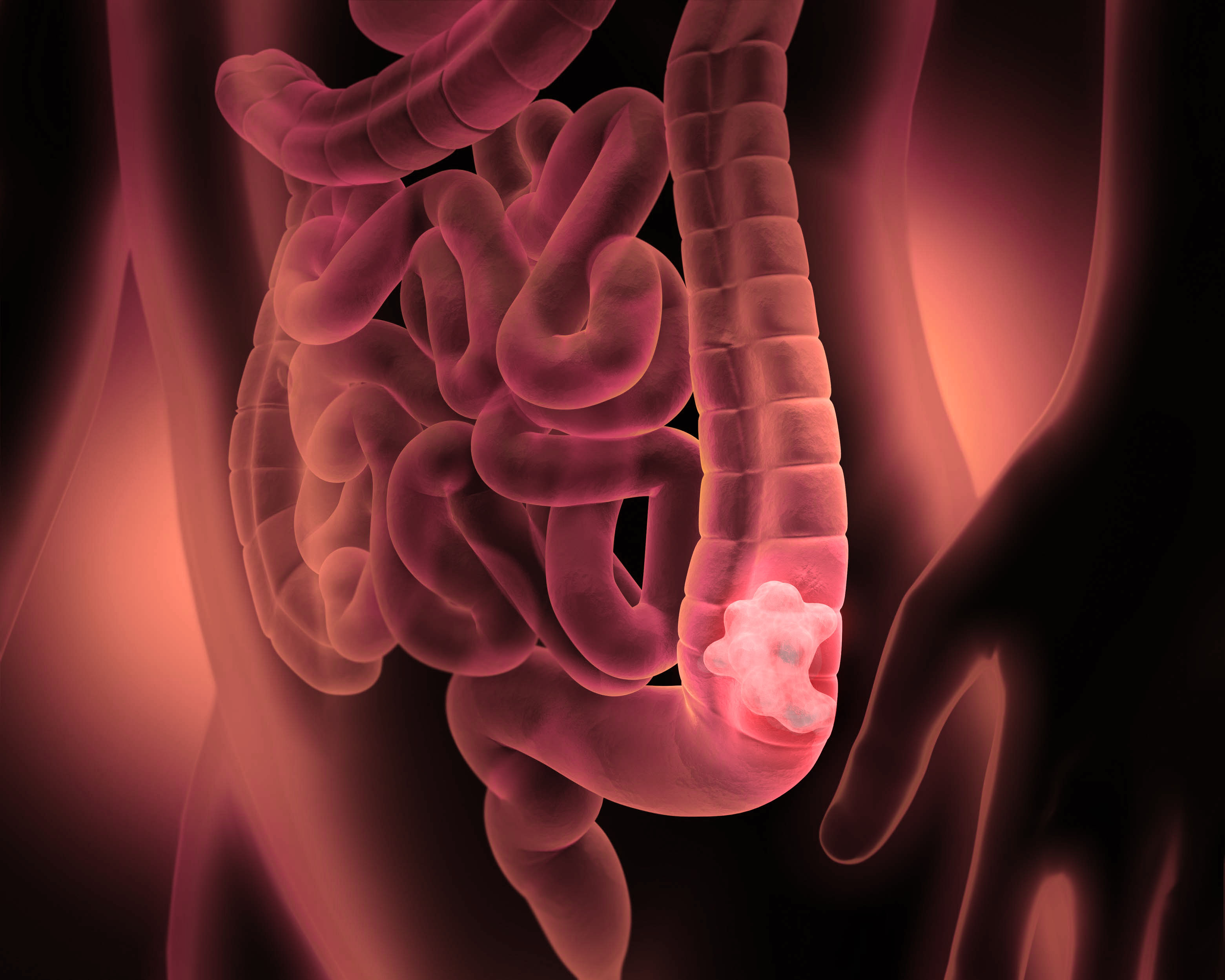
Special relevance of neuromonitoring for surgical proctology
In the case of intraoperative neuromonitoring, however, it is worth considering proctology independently. When removing colorectal cancer, monitoring the complex autonomic nervous system in the small pelvis is a major challenge and, unlike thyroidectomy, has only recently become possible. As of 2026, there is only one manufacturer (inomed Medizintechnik GmbH) that offers a patented technology called pIOM® for pelvic intraoperative neuromonitoring (pIOM).
Better prognosis for patients and preservation of quality of life
In surgical proctology, total mesorectal excision (TME) is primarily used for the treatment of colorectal cancer.
With TME, surgical proctology attempts to resect the cancer as completely and extensively as possible in order to achieve the best possible prognosis for the patients. Despite the continence preserving method, in many cases the quality of life of patients suffers greatly from tissue resection. Statistics on postoperative anorectal dysfunction show that a large number of patients suffer from sexual dysfunction, bladder dysfunction or incontinence (faecal and/or urinary) after surgery in the small pelvis.[1]
The importance of intraoperative neuromonitoring for surgical proctology can therefore hardly be overestimated. The study „Pelvic intraoperative neuromonitoring prevents dysfunction in patients with rectal cancer: Results from a multicenter, randomized, controlled clinical trial of a NEUROmonitoring System (NEUROS)“ (2022), which was conducted by Prof. W. Kneist et al. and published in Annals of Surgery, dealt with the topics of bladder function and anal continence as well as other anorectal and urogenital functions in general. The study shows significantly better functional results in the group which underwent surgery with neuromonitoring, without affecting oncologic outcomes. inomed’s pIOM® technology, patented in Germany, was used for neuromonitoring.[2] [3]
Due to the enormous importance of multimodal pIOM for increased patient safety, this area is constantly being researched further. In 2019, Karin Somerlik-Fuchs, in cooperation with Prof. Werner Kneist from Darmstadt Hospital and Prof. Klaus-Peter Hoffmann from the Fraunhofer IBMT in St. Ingbert, celebrated a success in significantly increasing patient safety. Their work “Intraoperatives Neuromonitoring des autonomen Nervensystems im kleinen Becken” (“Intraoperative neuromonitoring of the autonomic nervous system in the small pelvis”) describes the many years of technical development up to the clinical establishment of an intraoperative neuromonitoring procedure for the pelvic nerves (pIOM®) by inomed and was honoured with the “Award for Patient Safety” by the German Society for Biomedical Engineering in the VDE and the German Coalition for Patient Safety.
References
1. Lent, V. & Junginger, T. Nervenstörungen der Harnblasenund Sexualfunktionen nach Rektumresektionen und -exstirpationen. Chir. Allg. 257–261 (2011).
2. Kneist, W. et al. Pelvic intraoperative neuromonitoring prevents dysfunction in patients with rectal cancer: Results from a multicenter, randomized, controlled clinical trial of a NEUROmonitoring System (NEUROS), Annals of Surgery Publish Ahead of Print, DOI:10.1097/SLA.0000000000005676 (2022). Available at: https://www.inomed.com/custom/www.inomed-test.de/media/Dokumente/Referenzen/pelvic_intraoperative_neuromonitoring_prevents.26.pdf
3. Kauff, D. W., Lang, H. & Kneist, W. Risk Factor Analysis for Newly Developed Urogenital Dysfunction after Total Mesorectal Excision and Impact of Pelvic Intraoperative Neuromonitoring – a Prospective 2-Year Follow-Up Study. J. Gastrointest. Surg. 21, 1038–1047 (2017).