
THE CONTENTS OF THE FOLLOWING PAGE ARE FOR INFORMATIONAL PURPOSES ONLY AND ARE NOT A SUBSTITUTE FOR DIAGNOSIS, MEDICAL ADVICE OR RECOMMENDATIONS.
PLEASE CONTACT YOUR TREATMENT TEAM FOR MORE INFORMATION.
Neuromonitoring can minimise consequential damage during surgical treatment of colorectal cancer
 Bowel
Bowel
Colorectal cancer
Nerve monitoring is of great importance in the surgical treatment of colorectal cancer. The challenging accessibility of the rectum and the complexity of the nerve structures in the small pelvis can increase the risk of nerve damage, resulting in faecal or bladder incontinence or sexual dysfunction following surgical interventions.[1]
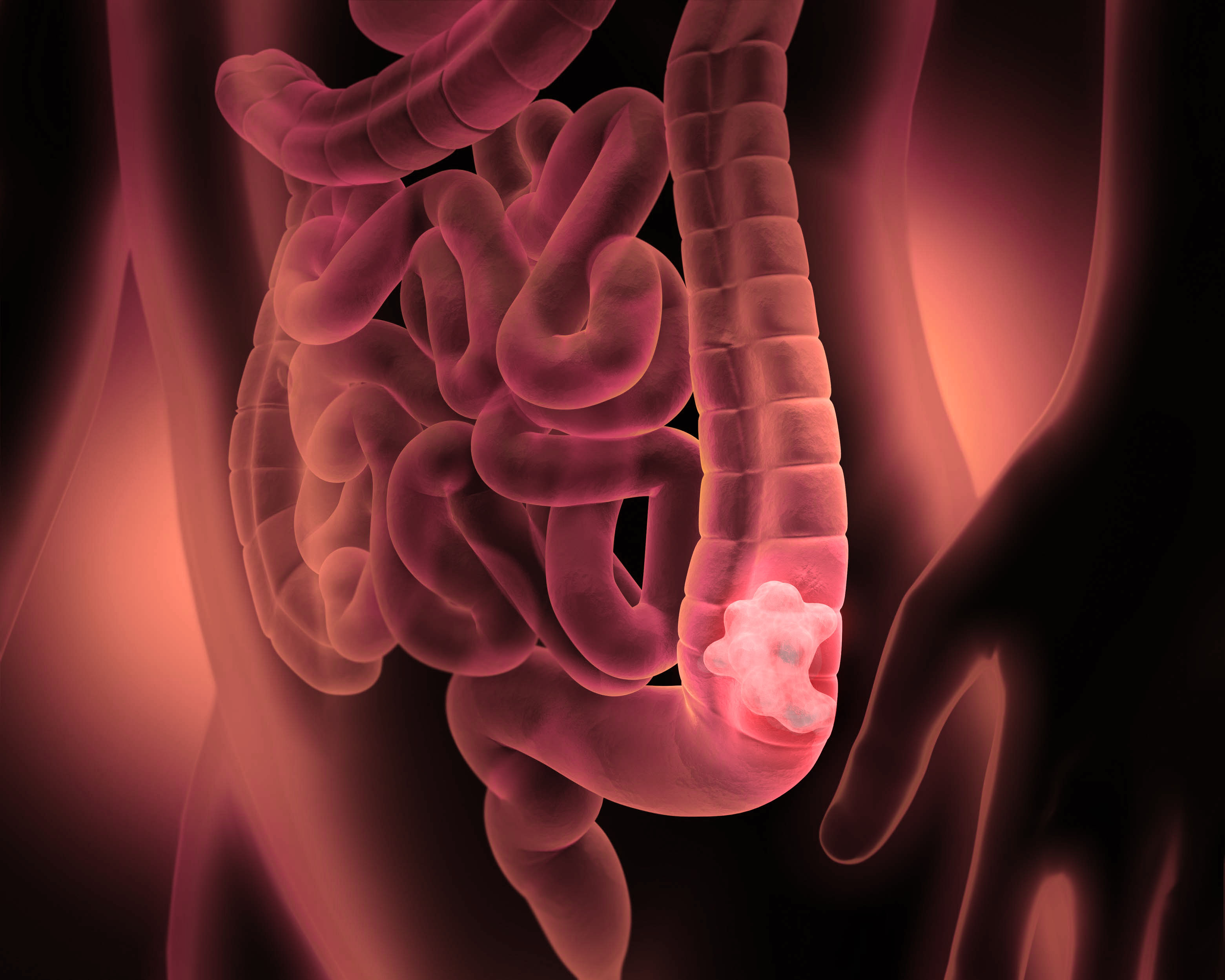
Colorectal cancer can occur in different parts of the bowel and refers to tumours of both the colon and the rectum. The majority of all tumours are diagnosed in the colon.
Surgery for colorectal cancer as the most important form of treatment
Depending on the stage of the disease, the condition of the patients and their personal wishes, different treatment methods are used for colorectal cancer. In most cases, surgical removal of the tumour is the most important step for a permanent cure. Get comprehensive information in advance about surgical procedures and suitable hospitals with special experience in this field.
Pelvic intraoperative neuromonitoring (pIOM) has so far been used mainly for rectal cancer
IONM has so far been used in the area of the small pelvis mainly for the removal of rectal cancer. Removing colorectal cancer from the rectum is a surgical challenge for the doctors.
The complex network of nerves around the bowel is difficult to distinguish from other tissue structures with the naked eye. In addition, the small pelvis, which includes the rectum, is generally difficult to access. There are important nerves of the autonomic nervous system in the small pelvis that can be easily be injured during surgery.
The use of pelvic intraoperative neuromonitoring in colorectal cancer has recently made it possible to monitor these nerves and to reduce the patients’ risk of consequential damage, such as sexual and bladder dysfunction as well as urinary and faecal incontinence.[2] [3] This contributes greatly to maintaining the patients’ quality of life after surgery.
As pIOM makes a significant contribution to increasing patient safety in highly complex procedures in the rectal area, the field holds enormous potential for further medical developments. Due to the high incidence of these cancers, researchers are interested in finding new ways to make the procedures safer for patients and surgeons. In 2019, for example, graduate engineer Karin Somerlik-Fuchs, in cooperation with Prof. Werner Kneist from Darmstadt Hospital and Prof. Klaus-Peter Hoffmann from the Fraunhofer IBMT in St. Ingbert, was awarded the “German Award for Patient Safety” for her 10 years of successful research. Their research included the development and establishment of an intraoperative neuromonitoring procedure for pelvic nerves.
pIOM method for colorectal cancer in the rectum
>> Placement of the recording electrodes in the bladder muscles and in the anal sphincter
>> Delivery of minimal electrical stimuli via a stimulation probe to the autonomic nervous system of the small pelvis
>> Transmission of the electrical stimuli by the nerves to the above-mentioned muscles
>> Recording of the resulting muscle response by the placed recording electrodes
>> Evaluation of the signals by the neuromonitoring device
The use of pIOM makes it possible to record the integrity of the anal sphincter, the bladder muscles and the sexual function during colorectal cancer surgery.[4] [5] In the event of damage to the endangered nerve structures, this record can support the planning of postoperative therapy measures.
pIOM is based on the methodology of intraoperative neuromonitoring. Intraoperative neuromonitoring is also used, for example, during surgery on the carotid artery.
References
1. Kneist, W., Heintz, A. & Junginger, T. Major urinary dysfunction after mesorectal excision for rectal carcinoma. Br. J. Surg. 92, 230–234 (2005).
2. Kauff, D. W. et al. Evaluation of two-dimensional intraoperative neuromonitoring for predicting urinary and anorectal function after rectal cancer surgery. Int. J. Colorectal Dis. 28, 659–664 (2013).
3. Kauff, D. W., Lang, H. & Kneist, W. Risk Factor Analysis for Newly Developed Urogenital Dysfunction after Total Mesorectal Excision and Impact of Pelvic Intraoperative Neuromonitoring – a Prospective 2-Year Follow-Up Study. J. Gastrointest. Surg. 21, 1038–1047 (2017).
4. Kneist, W., Kauff, D. W., Juhre, V., Hoffmann, K. P. & Lang, H. Is intraoperative neuromonitoring associated with better functional outcome in patients undergoing open TME? Eur. J. Surg. Oncol. EJSO 39, 994–999 (2013).
5. Kneist, W. et al. Intraoperative Monitoring of Bladder and Internal Anal Sphincter Innervation: A Predictor of Erectile Function following Low Anterior Rectal Resection for Rectal Cancer? Results of a Prospective Clinical Study. Dig. Surg. 30, 459–465 (2013).
Diseases
Navigation:
| Continue to back |
| Go back to the overview for patients |